Artikel & Edukasi
Artikel edukatif, tips praktis, penelitian terkini, dan wawasan mendalam tentang autisme untuk mendukung pemahaman dan inklusi.
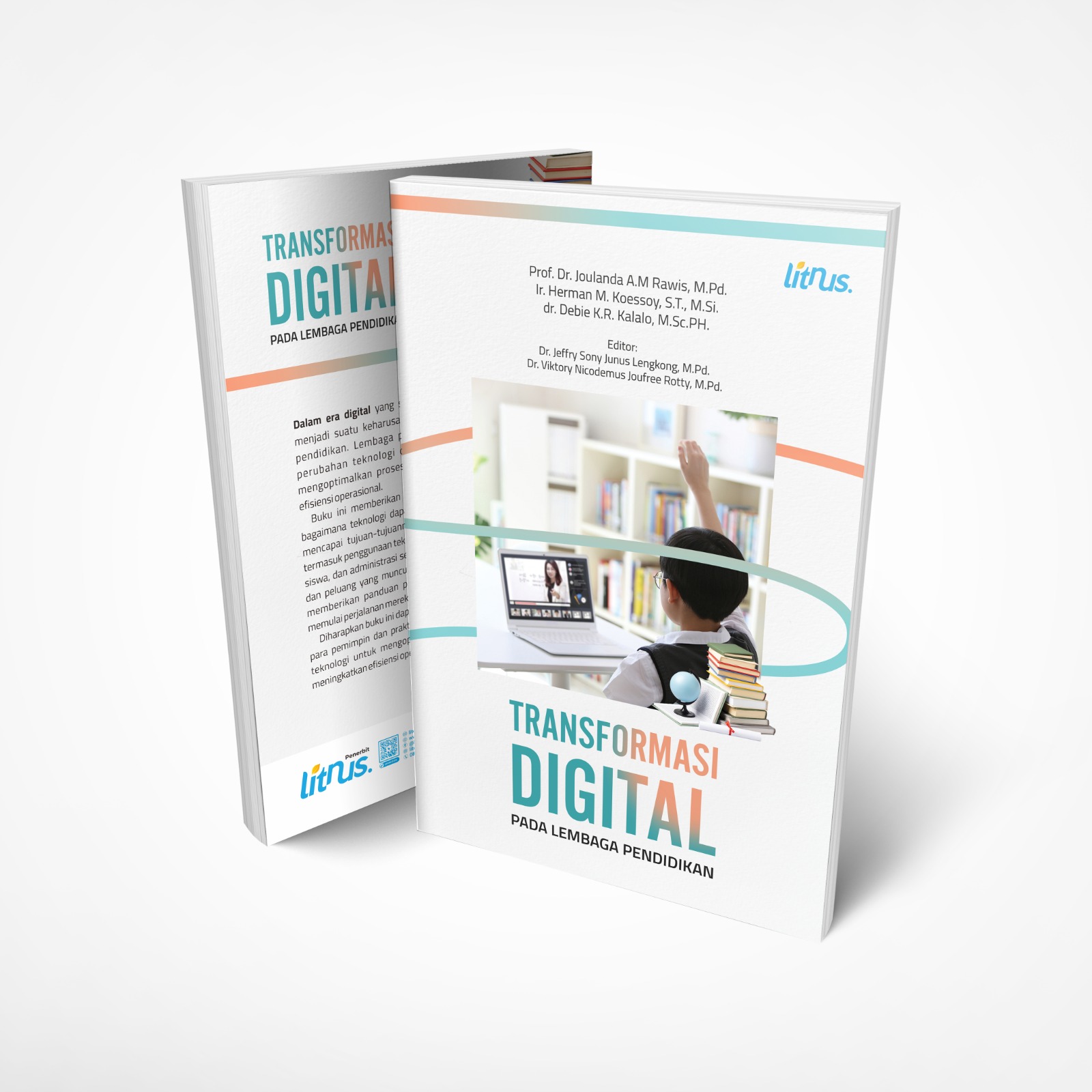
Transformasi Digital
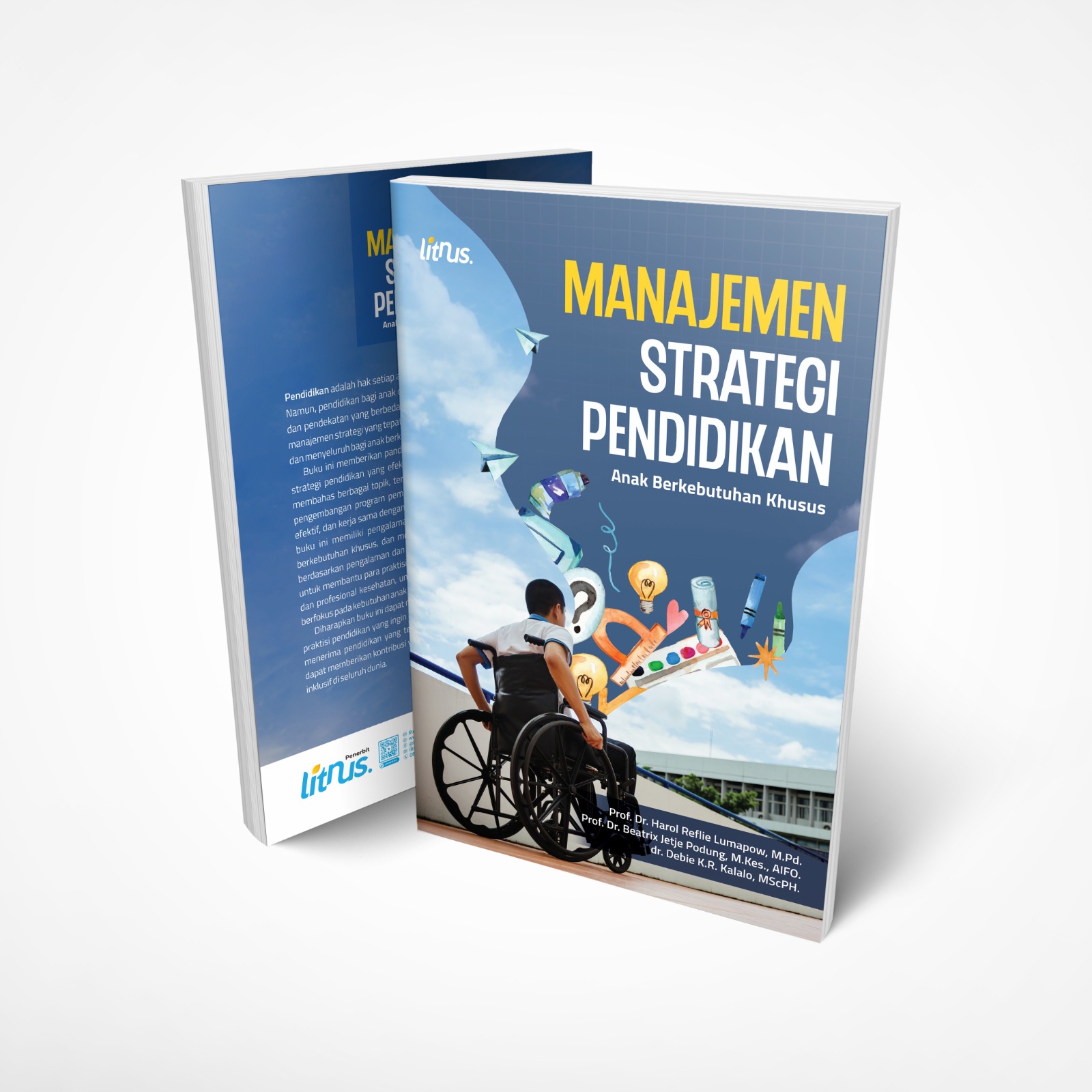
Manajemen Strategi Pendidikan
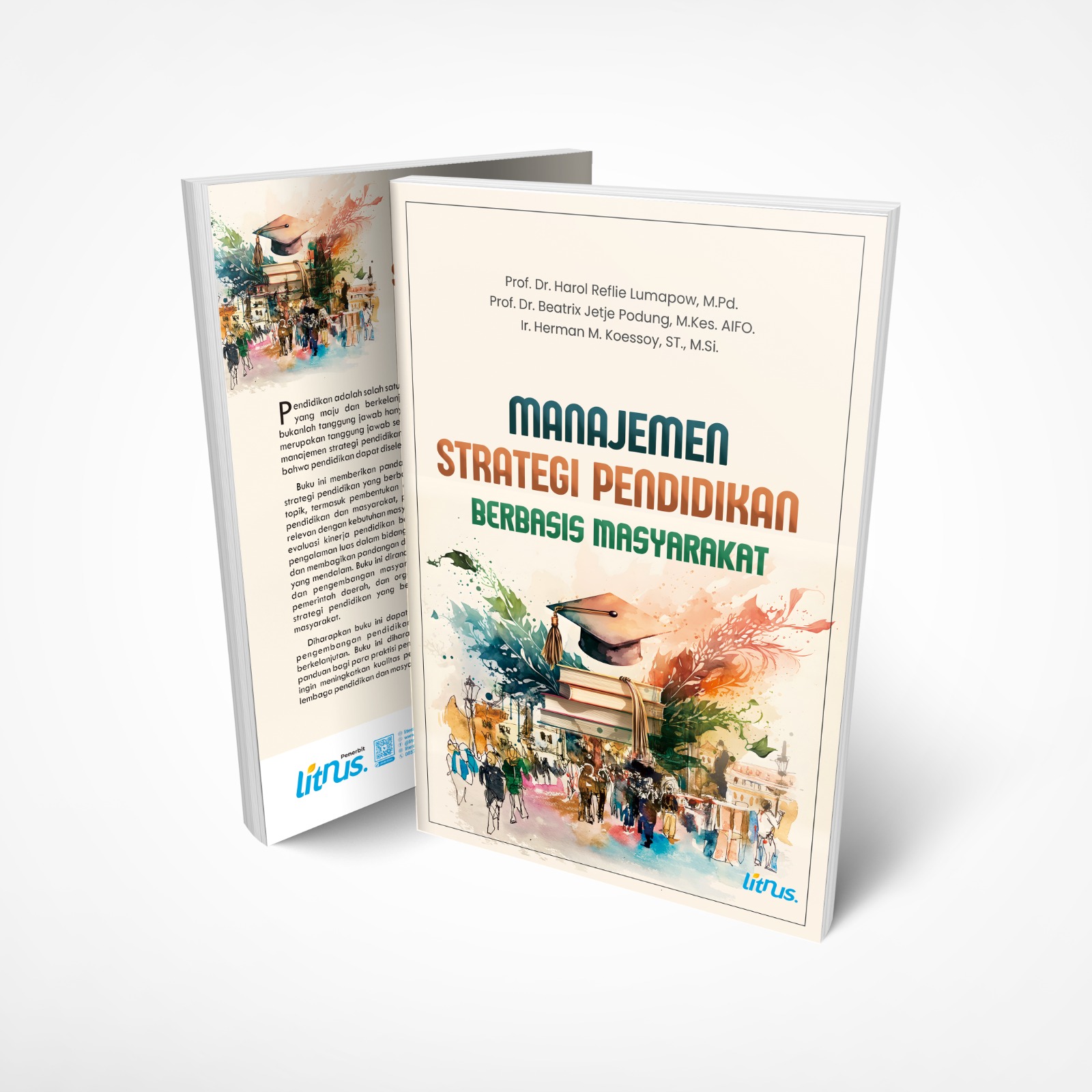
Manajemen Strategi Pendidikan Berbasis Masyarakat
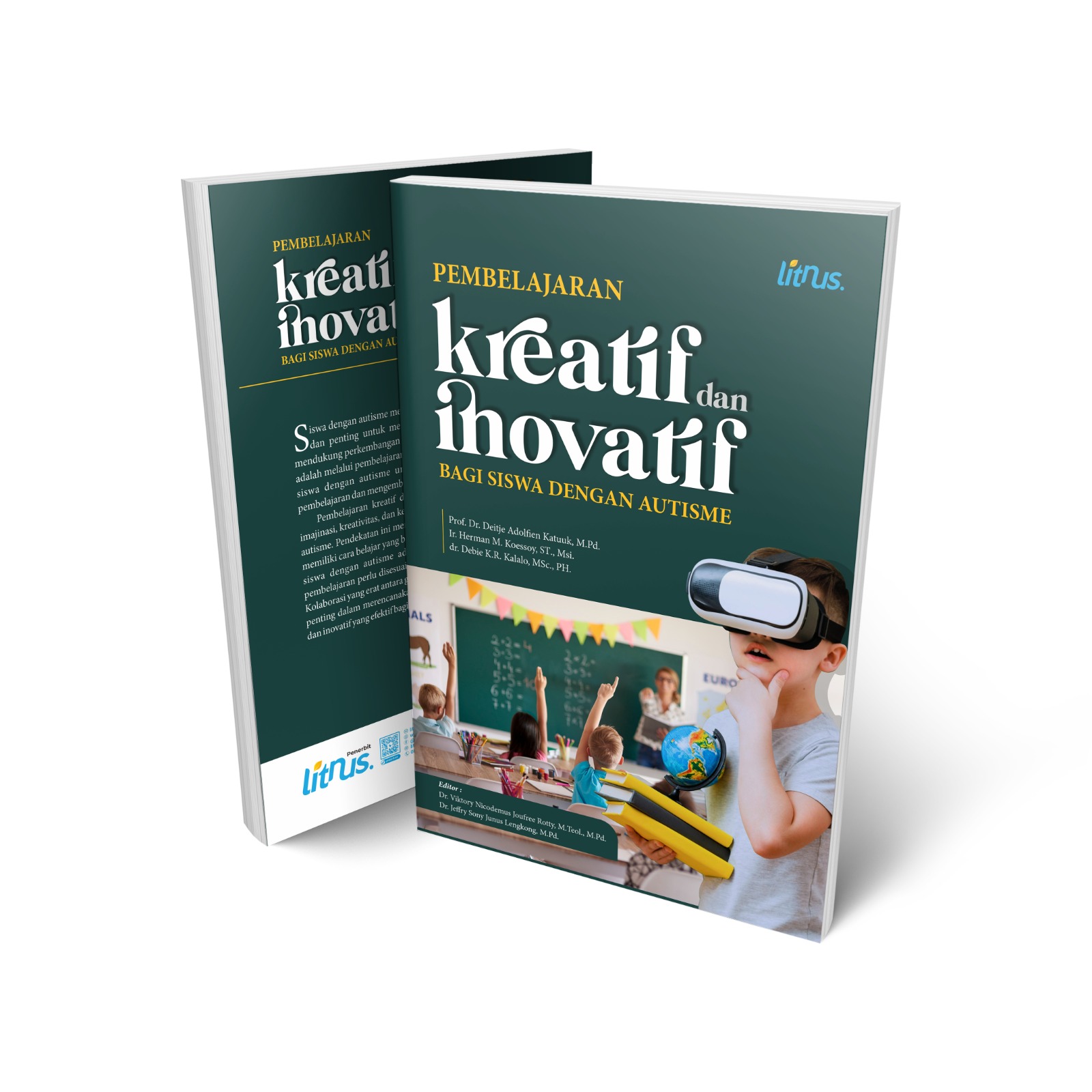
Kreatif dan Inovatif Bagi Siswa dan Autisme
Evaluation of Autism Student Learning Program in Special Schools in North Sulawesi Province
Debie K.R. Kalalo¹, Joulanda A.M Rawis¹, Harol R. Lumapow¹, Jeffry S.J. Lengkong¹, Joseph Philip Kambey¹, Rolles N. Palilingan¹, Ruth Umbase¹, Hendry Tamboto¹ ¹Doctoral Program in Educational Management, Graduate School, Universitas Negeri Manado, Indonesia Corresponding author: debiekalalo@gmail.com ABSTRACT This study was conducted to evaluate the learning program for students with autism spectrum disorders in Special Needs Schools (SLB) in North Sulawesi Province. The research context is based on the increasing number of children with autism, limited special education services, and the need for adaptive, individualized, and independence-oriented learning models. The research objectives include evaluating the learning program, identifying implementation barriers, and mapping supporting factors in the implementation of learning at the Hizkia Manado Special Needs School for Autism, Efatah Bitung Special Needs School, and Paulus Tomohon Special Needs School. The study used a descriptive qualitative approach through in-depth interviews, observations, and documentation analysis, and involved policymakers, principals, teachers, and parents. The results showed that the learning program has attempted to adhere to the principles of individualization through the IEP, the use of methods such as ABA, TEACCH, and PECS, and the inclusion of supportive therapy. However, implementation is still hampered by the limited number of teachers with special education competencies, the lack of autism-friendly infrastructure, unequal access to therapy services, and low parental involvement. On the other hand, policy support, cross-sector collaboration, and teacher and school commitment are significant supporting factors. The study concluded that improving the quality of learning requires strengthening human resources, developing learning infrastructure tailored to the needs of children with autism, and integrating education and health services. Consequently, local governments and schools need to develop holistic and sustainable service designs to ensure optimal academic, social, and independence development for students with autism.
Implementation of Digital Spatial-Based Educational Model Innovation in High Schools in the Islands of North Sulawesi Province
Herman Meiky Koessoy ABSTRACT The gap in education quality and access in island and border regions remains a structural problem in the Indonesian education system. Fragmented geographical conditions, limited infrastructure, and uneven distribution of educational resources demand innovative, contextual and adaptive educational models. This study aims to analyze the implementation of innovative spatial digital education models in Senior High Schools (SMA) in the Sangihe Islands Regency, North Sulawesi Province. Specifically, this study examines the readiness of spatial digital technology infrastructure, the implementation of spatial digital technology-based curriculum, the impact of these innovations on student achievement, local government policy support, and factors influencing their implementation. This study uses a qualitative descriptive approach with a prospective case study design. Data were collected through field observations, in-depth interviews, and documentation studies involving policy stakeholders, principals, teachers, and students. Data analysis was conducted using an interactive analysis model that includes data reduction, data presentation, and conclusion drawing. The results indicate that the implementation of spatial digital education in Sangihe Islands Senior High Schools is still in its early stages, characterized by limited network infrastructure, suboptimal utilization of geospatial applications in learning, and variations in teachers' digital literacy competencies. However, regional policy support and human resource potential indicate significant opportunities for the development of sustainable spatial digital education models. This research confirms that integrating digital and spatial approaches can be an alternative strategy for improving access, relevance, and quality of education in archipelagic and border regions.
Ingin Melihat Lebih Banyak?
Ikuti kami di media sosial atau hubungi kami untuk informasi lebih lanjut tentang layanan dan program kami.